Home › Blog › Pet Sitter Instructions Checklist: What to Include
Pet Sitter Instructions Checklist: What to Include
Last updated: October 12, 2026

A clear pet sitter instructions checklist covers feeding, exact medication timing, emergency contacts, daily routines, and what's normal for your pet, so a sitter can care for them with confidence.
Quick answer
A pet sitter instructions checklist should cover feeding, exact medication timing, emergency and vet contacts, daily routines, and what's normal versus worth-a-call behavior. Write it once, keep it updated, and leave both a printed and digital copy.
Key takeaways
- Cover feeding, medications, emergency contacts, routine, and normal behavior in one checklist
- Write medication instructions with exact times, not vague 'morning' or 'night'
- Leave both a printed copy and a digital copy the sitter can search on their phone
- Update the checklist whenever a medication, vet, or routine changes
- PET-A can export a pet's full record as a PDF for a sitter or caregiver
A pet sitter instructions checklist should cover five things: feeding amounts and times, the exact medication schedule, emergency and vet contact info, daily routines like walks or litter box habits, and what counts as normal versus worth-a-call behavior for your pet.
Write it down once, keep it updated, and leave a copy where the sitter will actually find it.
What should a pet sitter instructions checklist include?
Most instructions people leave for a sitter are either too thin — a sticky note that says "feed Biscuit, walk Biscuit" — or scattered across texts and verbal reminders that get forgotten the moment you walk out the door. Knowing what to leave for a pet sitter ahead of time saves a dozen texts back and forth while you're trying to enjoy a trip.
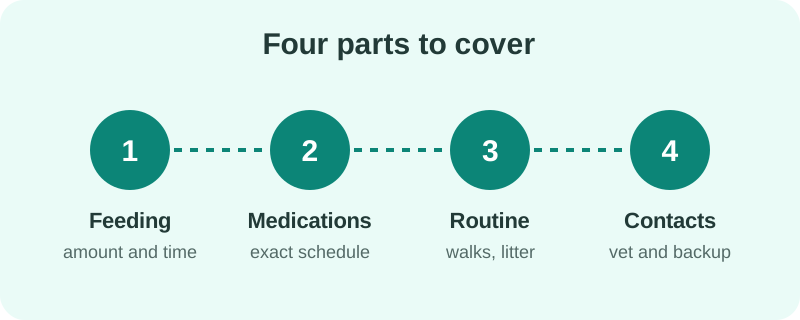
Think of this as a pet sitting instructions template you reuse every time, filling in what's changed since the last trip:
- Feeding — what, how much, when, and where the food is kept.
- Medications — name, timing, and how to give each one.
- Routine — walks, litter box, crate time, favorite spots to avoid.
- Contacts — your number, a backup person, and your vet's number.
- Normal vs. not — what's typical for this pet and what should prompt a call.
It's worth writing these out even for a sitter you've used many times before. Routines change — a new food, a medication that was added after the last trip, a vet that moved offices — and a sitter relying on memory from six months ago may be working from information that's quietly out of date. If you already keep your pet's health records organized, most of this checklist is just a printout of what you've logged already — you're not starting from a blank page every time someone sits.
How do you write medication instructions for a sitter?
Pet sitter medication instructions are where vague notes cause real problems. A sitter who isn't sure whether "the pink pill" means morning or evening, or whether it goes with food, will either guess or skip it — neither is good for your pet.
Spell out each medication by name, what it's for in plain terms, and the time of day it's given, matching the schedule your veterinarian set. If your pet takes more than one medication, or your household already shares care duties even when you're home, a written schedule with a per-dose log is worth setting up permanently, not just for trips. PET-A keeps editable multi-dose schedules and a log of every dose given, so a sitter can check off each one and you can see it was done without sending a text asking whether it happened.
Refill timing matters too. Leaving a sitter with just enough medication for the trip, and no buffer for a delayed flight home, is worth double-checking before you go — a refill reminder set a few days ahead avoids that scramble entirely. If a pet also needs flea, tick and heartworm prevention during the trip, note the day it falls on too, since a sitter won't know your pet's monthly schedule unless you write it down.
What emergency information does a sitter need?
A sitter needs to act fast if something goes wrong, without hunting for a phone number or guessing which vet to call. The baseline emergency info for a pet sitter is your vet's name, address, and phone number; a backup contact who can make decisions if you're unreachable; and your pet's basic details — breed, age, weight, and any known conditions — written down rather than remembered.
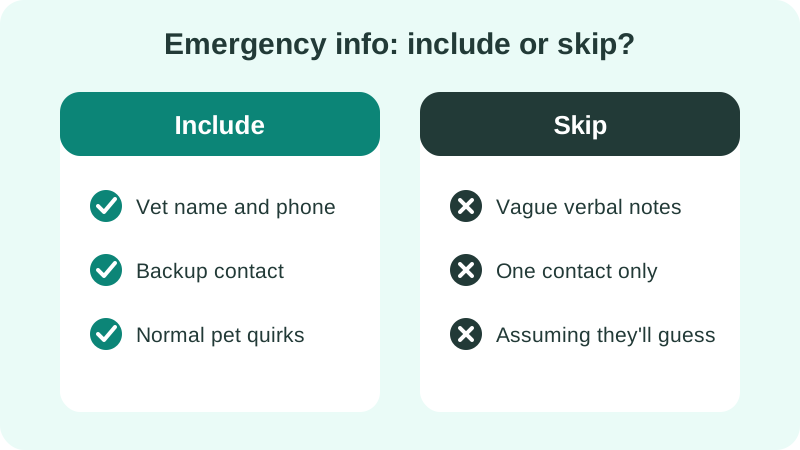
Include what's normal for your pet so a sitter can tell the difference between an off day and something that needs attention. If your pet seems unusually lethargic, won't eat, is vomiting repeatedly, or anything else seems off, the instruction should be clear: call you first, and call the vet if you're not reachable. This is general guidance, not a diagnosis — any specific symptom your pet shows is a conversation for your veterinarian, not something a checklist can resolve.
It also helps to note anything that would change how a sitter reads your pet's behavior — a recent vaccine, a prior injury, or an ongoing condition they should already expect. A sitter who knows a limp is old news won't panic over it, and one who doesn't know it's new will know to call sooner.
How do you make sure the sitter actually uses the checklist?
A checklist only helps if it's where the sitter can find it the moment they need it, not buried in an email from two weeks ago. A short, repeatable handoff routine fixes that.
- Print a copy and leave it somewhere visible, like the counter or fridge.
- Send a digital copy too, in case they need to search it on their phone.
- Walk through it together briefly before you leave, even if it's just two minutes.
- Update it whenever a medication, vet, or routine changes, so it's never stale.
If you share care of your pet with family or a rotation of regular sitters, the same written instructions save you from repeating yourself every time — a shared, written schedule works the same way for family caregivers as it does for an occasional sitter. An outdated instruction left on the fridge is sometimes worse than none at all, so treat the checklist as something you revise, not something you write once and forget. The same goes for longer stays: if a sitter is covering more than a few days, it's worth confirming upcoming vet visits or vaccine due dates so nothing is missed while you're away.
PET-A keeps your pet's medications, vaccines, and vet contacts in one place, local-first and private, and you can export the whole record as a PDF or CSV to hand to a sitter or anyone else stepping in to help.
Sources
Frequently asked questions
What should I include in a pet sitter instructions checklist?
Cover feeding amounts and times, the exact medication schedule, emergency and vet contact info, daily routines like walks or litter box habits, and what's normal versus worth-a-call behavior for your specific pet. One written page beats scattered texts and verbal reminders.
How specific should pet sitter medication instructions be?
Name each medication, what it's for in plain terms, and the exact time it's given, matching your vet's schedule. Avoid vague terms like 'morning and night' — a sitter arriving midday needs to know whether that counts as on time or late.
Should I leave emergency vet info even for a short trip?
Yes. Leave your vet's name, address, and phone number, a backup contact who can make decisions if you're unreachable, and your pet's basic details. Short trips still carry the same risk of something going wrong as longer ones.
How do I make sure a sitter actually follows the checklist?
Print a copy and leave it somewhere visible, and also send a digital copy they can search on their phone. Walk through it together briefly before you leave, and update it whenever a medication or routine changes.