Home › Blog › Dog Dental Care Schedule: What to Do and When
Dog Dental Care Schedule: What to Do and When
Last updated: October 6, 2026

A practical dog dental care schedule combines daily brushing, dental chews as backup support, weekly mouth checks, and a yearly professional exam, tracked in one place so nothing slips.
Quick answer
A solid dog dental care schedule means brushing daily, offering dental chews most days, checking the mouth weekly, and getting a professional dental exam at least once a year.
Key takeaways
- Daily brushing is the single most useful habit in a dog dental care schedule.
- Dental chews and dental food support brushing — they don't replace it.
- A weekly lip-and-gum check catches problems between scheduled vet visits.
- Bad breath, red gums, or pawing at the mouth are reasons to call your vet.
- Logging brushing and checkups together makes the whole schedule easier to follow.
A dog dental care schedule works best when it blends three habits: daily brushing, dental chews or dental-formula food as backup support, and a professional dental exam at least once a year. Build those three into a routine and you rarely have to think about your dog's teeth until the vet brings them up.
How often should you brush a dog's teeth?
Daily is the goal for any dog teeth brushing schedule, since plaque starts hardening into tartar within a day or two of forming. If daily isn't realistic yet, more often beats less — even a few sessions a week is better than none, and it's easier to make a habit stick with short, frequent sessions than to chase a perfect streak you'll eventually break.
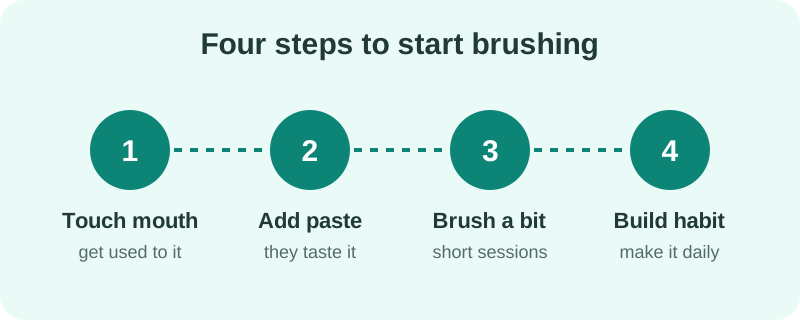
Most dogs tolerate brushing better than owners expect once it's introduced slowly. Use a soft-bristled or finger brush, keep early sessions short enough that your dog stays relaxed, and build up gradually from a few teeth to the whole mouth. The goal in the first few weeks isn't a perfect clean — it's getting your dog comfortable with a hand near their mouth.
Pick a time of day that's easy to repeat, like right after a walk or right before a meal, and keep it the same each time. A predictable moment in the routine is what turns brushing from a chore you have to remember into something that just happens, the same way a fixed time for every dose makes a medication schedule easier to follow without thinking about it.
What should a full dog dental care schedule include?
Brushing is the daily anchor, but a complete schedule has layers — some tasks happen every day, some weekly, and one only happens once a year, at a vet visit.
| How often | What to do |
|---|---|
| Daily | Brush teeth, or wipe with a dental pad if brushing isn't possible yet |
| Most days | Offer a dental chew or dental-formula food as backup support |
| Weekly | Lift the lips and check for redness, odor, tartar, or a broken tooth |
| Yearly, or as your vet advises | Professional dental exam at a routine vet visit |
Dental chews work by mechanically scraping at plaque as your dog chews, and dental-formula foods are shaped or textured to do something similar with every bite. Both help, but neither reaches the inside surfaces of the back teeth the way bristles can. Think of them as a second line of support on days when a full brushing session doesn't happen, not as a reason to skip brushing altogether.
The yearly professional exam is the part owners most often let slide, usually because it isn't tied to a visible symptom the way a limp or an ear infection is. Folding it into your dog's regular check-up, rather than treating it as a separate appointment to schedule, makes it far more likely to actually happen. Bringing a clear history to that exam also makes it faster and more useful for your vet — see what to bring to a dog's vet visit for the rest of what's worth having ready, teeth included.
What are signs of dental disease in dogs to watch for?
Between scheduled checks, watch for changes that suggest something's wrong rather than ordinary wear and tear.
- Bad breath that's noticeably worse than your dog's usual.
- Yellow or brown buildup along the gumline, especially on back teeth.
- Red, swollen, or bleeding gums, including blood on chew toys.
- Pawing at the mouth, drooling, or chewing on one side only.
- Reluctance to eat hard food or chews your dog used to enjoy.
None of these signs tell you exactly what's going on — only a veterinarian can do that. If you notice any of them, especially bleeding gums or a sudden reluctance to eat, call your vet rather than waiting for the next scheduled visit. PET-A is a health-record and reminder tool, not a substitute for professional veterinary advice.
It's also worth noting that a dog quietly eating less because its mouth hurts can show up first as a change on the scale rather than an obvious dental symptom. Weighing your dog on a regular schedule is a simple, independent check that sometimes flags a problem before you've spotted it in the mouth itself.
How do you keep track of brushing, chews, and vet visits?
A dental schedule only holds up if it's easy to follow without relying on memory. The same logging habit that keeps medications and vaccines on track works just as well here — one place to glance at, instead of three different reminders scattered in your head.
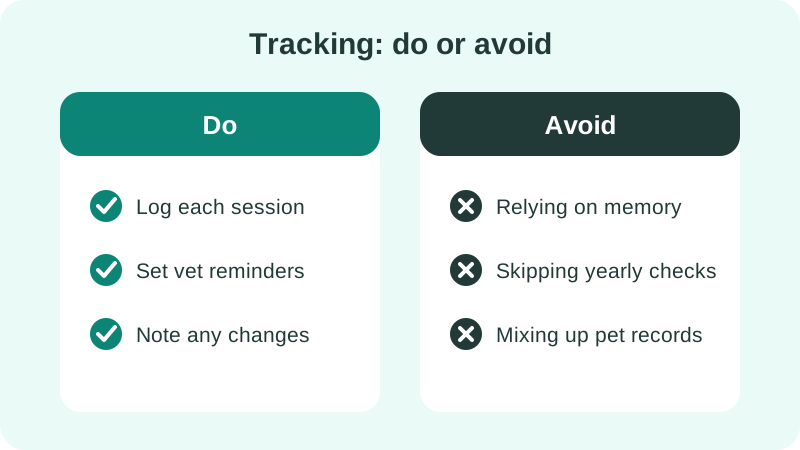
- Log each brushing session and chew, so you can see at a glance how consistent the week actually was, not just how you remember it.
- Set a standing reminder for the yearly dental exam, the same way you'd track a vaccine schedule or a rabies booster due date.
- Keep a short note on anything you noticed — bad breath, a skipped chew — right next to the date, so a pattern is easy to spot later instead of guessed at.
If your household has more than one dog, or a dog and a cat, keeping each pet's health records organized in one place makes it obvious whose turn it is for brushing or a dental recheck, without anyone having to remember by hand. The same per-pet structure is useful for medication and chew tracking too, especially once more than one animal is on a schedule — a quick look at how a multi-pet household manages several schedules at once shows the same idea applied more broadly.
Dental care also tends to matter more as a dog gets older — teeth wear and gum disease are both more common in senior dogs, and a mouth that hurts can quietly affect appetite and weight at the same time. Folding dental checks into a senior pet care checklist keeps it from becoming the one thing that slips once other health concerns start competing for attention.
PET-A lets you log daily care like brushing alongside vaccines, vet visits and weight, with reminders for whatever's next and one pet free forever to try it with.
Frequently asked questions
How often should I brush my dog's teeth?
Daily is ideal, since plaque can start hardening into tartar within a day or two. If daily brushing isn't realistic yet, aim for several times a week rather than giving up — consistency matters more than a perfect streak, and any regular brushing habit is better than none.
Do dental chews replace brushing?
No. Dental chews and dental-formula food can reduce plaque buildup and are a useful backup, but they don't reach every tooth surface the way a toothbrush does. Treat them as support for a brushing routine, not a substitute for it.
How often does a dog need a professional dental cleaning?
This varies by dog, breed, and age, so it's best set by your veterinarian based on an exam. Most dogs benefit from at least an annual dental check as part of their regular vet visit, with small breeds and seniors sometimes needing closer attention.
What are early signs of dental disease in dogs?
Watch for noticeably worse bad breath, yellow or brown buildup along the gumline, red or swollen gums, pawing at the mouth, or reluctance to chew hard food. These signs don't diagnose anything on their own — they're a cue to talk to your veterinarian.